
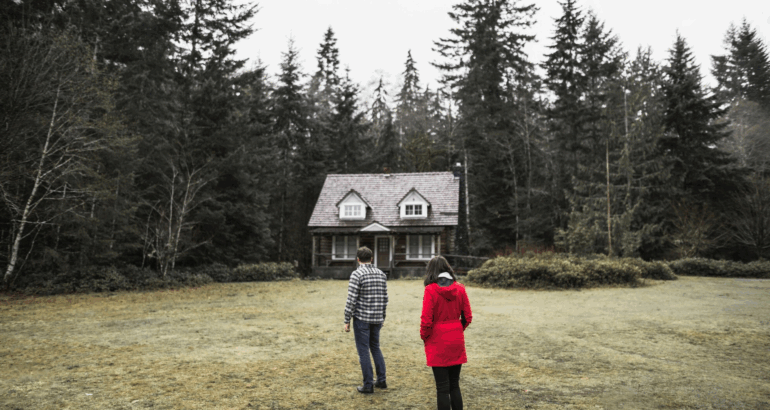
California’s wildfire crisis isn’t slowing down. It’s intensifying. If you own a home in the Golden State, understanding your wildfire risk and insurance implications has never been more critical.
Understanding Wildfire Zones
California has designated specific areas as High or Very High Fire Hazard Severity Zones (FHSZ). These zones are determined by factors including vegetation type, topography, weather patterns, and historical fire data. Over 11 million Californians live in these high-risk areas, and many don’t even realize it.
You can check if your property is in a wildfire zone by visiting the California Department of Forestry and Fire Protection (CAL FIRE) website and entering your address. This simple step could explain why your insurance rates have increased or why you’re having trouble finding coverage.
The Insurance Crisis
Since 2018, major insurance carriers have either stopped writing new policies in high-risk areas or chosen not to renew existing policies. This has left thousands of homeowners scrambling for coverage, often ending up in the California F
If you’re in a wildfire zone, you may face:
- Significantly higher premiums (sometimes 200-300% increases)
- Reduced coverage limits
- Higher deductibles
- Policy non-renewals
- Limited carrier options
What You Must Do Now
Create Defensible Space: California law requires homeowners in FHSZ areas to maintain defensible space (a buffer zone around structures where vegetation and combustible materials are managed). This includes:
- Zone 0 (0-5 feet): Non-combustible materials only
- Zone 1 (5-30 feet): Carefully managed vegetation
- Zone 2 (30-100 feet): Reduced fuel loads
Harden Your Home: Insurance companies increasingly favor homes with fire-resistant features:
- Class A fire-rated roofing
- Dual-pane windows
- Enclosed eaves
- Non-combustible siding
- Ember-resistant vents
Document Everything: Take photos and videos of your defensible space work and home hardening improvements. Some insurers now require annual inspections or photographic evidence of maintenance.
Shop Around: Work with an independent insurance agent who has access to multiple carriers. Some smaller regional insurers still write policies in moderate-risk areas where major carriers have pulled out.
Consider the FAIR Plan Plus: If standard coverage isn’t available, you may need the California FAIR Plan for basic fire coverage, supplemented with a DIC (Difference in Conditions) policy for comprehensive protection.
The Financial Reality
Living in a wildfire zone doesn’t mean you can’t get insurance. It means you need to be strategic and proactive. The cost of proper coverage is significant, but the cost of being underinsured or uninsured is catastrophic.
Budget for higher premiums, but don’t skimp on coverage limits. With California’s rising construction costs, rebuilding after a fire can easily exceed $500 per square foot. Make sure your dwelling coverage reflects current replacement costs, not your home’s purchase price.
Looking Ahead
California is exploring insurance reforms to stabilize the market, including allowing insurers to use catastrophe modeling and offering incentives for wildfire mitigation. However, these changes will take time to implement.
In the meantime, homeowners in wildfire zones must be informed, prepared, and properly insured. Your home is likely your largest investment. Protect it accordingly.